Running a private mental health practice requires balancing clinical care with smart business operations. For therapists, psychologists, and counselors, choosing an office space isn’t just about desk space and square footage—it’s about creating a safe, confidential environment where clients feel secure from the moment they step through the door.
Traditionally, private practice meant committing to restrictive, multi-year commercial leases and heavy overhead costs. Today, flexible workspace solutions are changing the model. Here is how modern, flexible office spaces—like Strive Workspaces—are meeting the unique privacy, compliance, and financial needs of mental health professionals.
1. Prioritizing Acoustic & Visual Privacy
Confidentiality is the bedrock of therapeutic trust. When clients visit a mental health practitioner, they need full assurance that their conversations remain completely private.
Standard office layouts often fall short when it comes to acoustic isolation. To support mental health professionals, workspace design must actively incorporate:
-
Sound-Attenuating Construction: Wall construction engineered to suppress sound transfer between adjacent offices.
-
Ambient Sound Masking: White noise systems strategically placed in hallways and waiting areas to prevent eavesdropping.
-
Discreet Waiting Areas: Reception spaces designed so clients can arrive and depart with dignity and privacy.
2. Navigating Physical & Digital HIPAA Considerations
While HIPAA compliance is heavily focused on Electronic Health Records (EHR) and digital communication, physical office environments play a critical role in safeguard compliance:
-
Secure Network Infrastructure: Private practice clinicians handling patient data or conducting hybrid telehealth sessions require enterprise-grade, encrypted Wi-Fi with isolated VLANs—not open public connections.
-
Controlled Access: Secure keycard or mobile app entry ensures only authorized individuals access office corridors and suites.
-
Discreet Client Check-in: Digital or low-profile guest notification systems allow clients to check in quietly without declaring personal details in a crowded lobby.
3. The Power of Hourly & On-Demand Booking
The traditional model of paying for an office 168 hours a week when you only see clients 15–20 hours in-person is outdated. Whether you are transitioning from an agency, building a hybrid practice (telehealth + in-person), or scaling up gradually, flexibility is paramount.
Flexible workspace options empower practitioners to:
-
Reduce Overhead: Pay only for the exact hours or days you utilize dedicated therapy suites.
-
Scale Seamlessly: Start with a few hours a week and expand into full-time dedicated offices as your client caseload grows.
-
Maintain Professionalism: Offer clients a premium, professional address and beautifully furnished environment without the upfront capital expenditure of buying furniture or signing a long-term lease.
4. Why Strive Workspaces Fits Your Practice
At Strive Workspaces, we understand that a therapy office needs to feel warm, calm, and professional. We offer tailored workspace solutions built for independent practitioners and growing group practices:
-
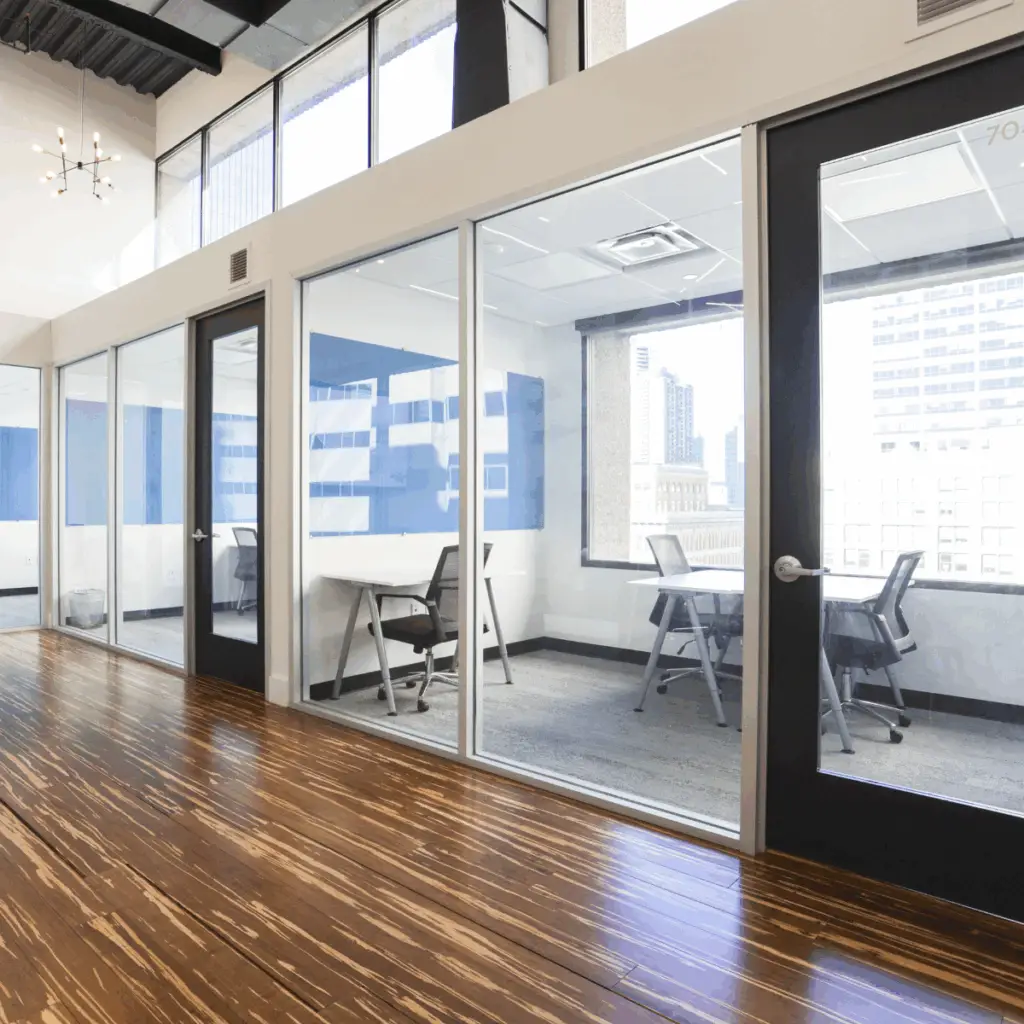
Turnkey Fully-Furnished Suites: Warm, welcoming aesthetics designed to put clients at ease.
-
Flexible Rental Terms: Hourly booking options, part-time day passes, and dedicated private offices.
-
All-Inclusive Amenities: High-speed secure Wi-Fi, professional reception, complimentary coffee/tea stations, and utilities included under one predictable fee.
Ready to Elevate Your Practice?
Your clients deserve a tranquil, private space—and your practice deserves a modern, flexible office strategy that supports your bottom line.
Schedule a Tour at Strive Workspaces Today to explore our private offices and learn more about our flexible booking options for mental health professionals.