
Choosing the right workspace is a pivotal decision that can shape your business’s culture, productivity, and growth trajectory. With the increasing variety of options available—from long-term leases to flexible coworking memberships—businesses must carefully weigh their needs and priorities.
Around the world, flexible office space is becoming increasingly popular, with experts predicting that it could account for 30% of all office stock by 2030.
Whether you’re a startup looking for agility or an established company seeking stability, understanding the differences between coworking and traditional office space is essential.
This article offers a practical breakdown of key factors such as cost, flexibility, productivity, and how each option aligns with your business’s growth plans. By the end, you’ll be equipped to make a workspace choice that best supports your team and business objectives.
Why Your Workspace Decision Matters
Your choice of workspace influences far more than just where your team sits each day. It directly impacts company culture, operational efficiency, employee satisfaction, and your ability to scale smoothly as your business evolves.
A thoughtfully chosen workspace can foster collaboration, spark creativity, and even improve employee retention by sparking creativity in the workplace. Flexible office space supports a dynamic workplace that adapts to diverse work styles and evolving business needs.
Conversely, a poorly matched office environment can lead to wasted resources, low morale, and operational bottlenecks.
That’s why it’s crucial to understand how coworking and traditional office spaces differ, and which aligns best with your unique business needs.
What Is Traditional Office Space?
Traditional office space refers to leased premises that your business exclusively occupies.
Typically, these are private offices or entire floors within commercial buildings, with the building serving as the physical structure that houses these offices and provides the infrastructure for workspaces, leased under long-term contracts—often ranging from three to ten years.
The tenant assumes responsibility for rent, utilities, maintenance, furniture, and any necessary build-outs or renovations.
Advantages of a Traditional Office
Traditional offices offer several key benefits.
First, they provide privacy and security, allowing sensitive conversations and confidential work to happen without distraction.
Second, they afford complete control over branding and interior design, helping reinforce your company’s identity.
Third, these spaces offer stability, which is ideal for established teams with fixed headcounts who value consistency in their work environment.
For companies with predictable growth and long-term plans, a traditional office can serve as a dedicated hub that supports their operational needs and corporate culture.
Ideal Scenarios for Traditional Offices
Traditional offices are best suited for companies with established teams and predictable staffing needs.
If your business requires a stable environment with full control over the workspace, this option provides a solid foundation.
It’s also beneficial when privacy and security are paramount, such as for legal, financial, or healthcare firms.
Considerations Before Signing a Lease
However, traditional leases come with notable considerations.
Upfront costs can be substantial, including deposits, furniture purchases, utility setups, and potentially costly build-outs to tailor the space.
These expenses can strain cash flow, especially for smaller or growing businesses.
Moreover, the fixed nature of traditional leases means there is a risk of outgrowing the space or underutilizing it if team size fluctuates.
Early termination penalties or lease transfers can be complicated and expensive, reducing your agility to respond to changing business conditions. Traditional leases make it difficult to adapt to changing needs, as space requirements and associated costs can vary depending on business growth or contraction.
What Is Coworking Space?
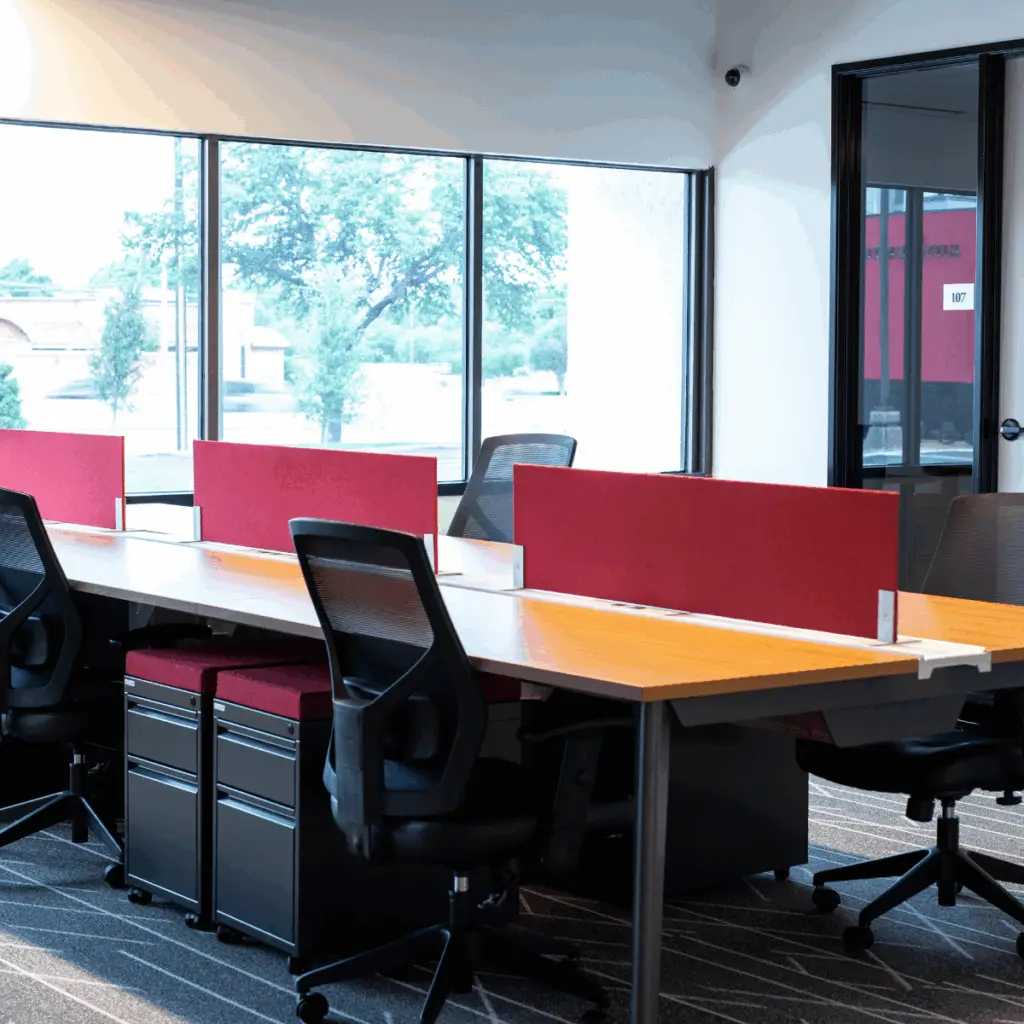
Coworking spaces are flexible work environments that provide shared amenities and a variety of workspace options, including hot desks, dedicated desks, meeting rooms, and private offices within a communal setting. Unlike traditional assigned desks, coworking spaces often use hot desking, where employees can book desks or choose from available ones each day, offering a dynamic alternative to conventional office setups.
Coworking spaces are a mix of shared office space, business centre, and café, featuring community events and plug-and-play setups that foster networking and collaboration.
Memberships can be tailored for daily, monthly, or longer-term access, allowing businesses to scale their space usage up or down as needed.
Advantages of Coworking
Coworking offers significant flexibility and reduced upfront costs. Flex spaces typically require lower upfront investment and include maintenance, cleaning, internet, and utilities in the fee, making them an attractive option for businesses seeking adaptable, on-demand workspace solutions.
Since many services are bundled—such as high-speed internet, cleaning, utilities, and reception—members avoid the hassle of managing these separately. Flexible office spaces typically include all office essentials such as furniture, cleaning services, high-speed internet, and security staff, ensuring a seamless experience for users of flexible spaces and flex space.
This all-inclusive pricing simplifies budgeting and lowers the barrier to entry. Flexible office spaces typically offer all-inclusive monthly fees, which simplify budgeting and cash flow management for businesses.
Community and Networking Benefits
Beyond cost savings, coworking spaces foster a vibrant community atmosphere.
They provide ample opportunities for networking, collaboration, and professional growth through shared facilities and organized events. Many coworking spaces host regular networking events, giving clients opportunities to connect and build professional relationships.
This built-in professionalism can enhance your company’s image and offer access to a broader network.
If you want to learn more about how to maximize productivity in a coworking space, check out our detailed guide here.
Private Offices Within Coworking
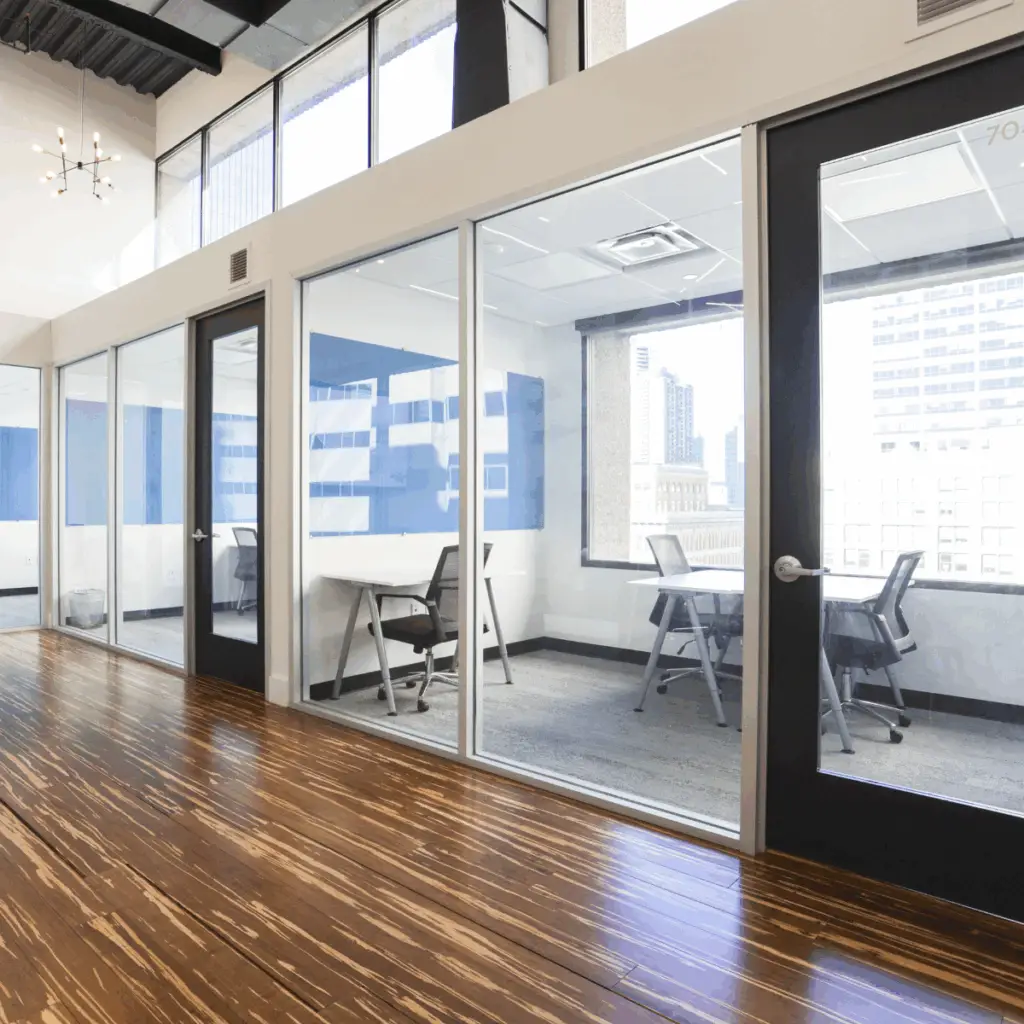
Many coworking providers also offer private offices within their spaces.
This option combines the benefits of privacy and focus with the flexibility and community advantages of coworking.
It’s a great middle ground for businesses seeking both collaboration and confidentiality.
What to Consider With Coworking
While coworking spaces bring many benefits, there are some trade-offs.
Shared environments can lead to varying noise levels and distractions, which may not suit all work styles.
Additionally, there is less control over long-term customization of the space, which could impact branding or specific operational needs.
For a comprehensive overview of what to know before moving into a coworking space, visit our resource here.
Meeting and Event Spaces: Access and Options
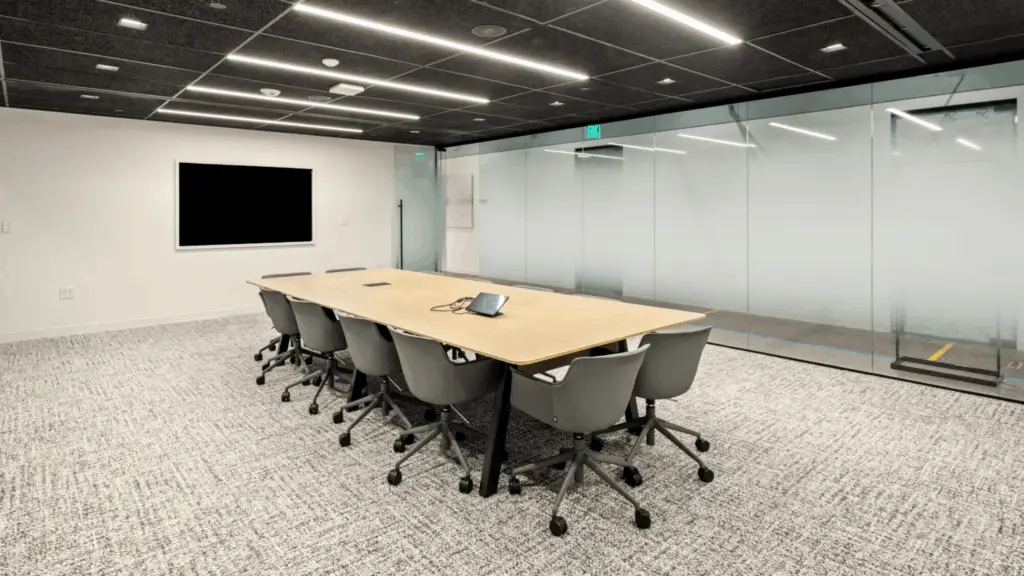
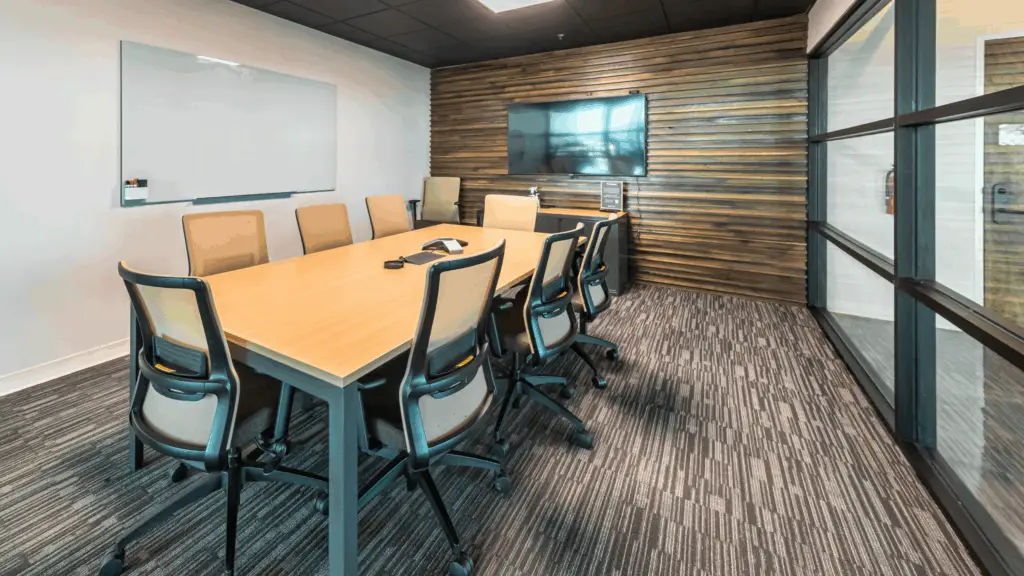
One of the standout features of flexible office solutions is the easy access to a wide range of meeting and event spaces. Unlike traditional offices, where you may be limited to the rooms within your leased premises, coworking spaces and serviced offices offer a variety of meeting rooms and event venues that can be booked as needed. This on-demand access allows businesses to host client meetings, team brainstorming sessions, workshops, or even larger conferences without the commitment of a long-term lease.
Whether you need a small, private room for a quick discussion or a spacious conference room for a company-wide presentation, flexible office providers typically offer a diverse range of options to suit your needs. Many coworking spaces are equipped with modern technology, high-speed internet, and professional amenities to ensure your meetings run smoothly.
This flexibility means you only pay for the space you use, helping you optimize costs and adapt quickly to changing business requirements. It’s an ideal solution for companies that want to maintain a professional image and accommodate varying team sizes or event types, all without the overhead of maintaining dedicated meeting facilities within a traditional office lease.
Cost Comparison: Lease vs Membership
Traditional office costs encompass rent, utilities, maintenance, furniture, insurance, and often significant upfront build-out expenses.
These costs are typically fixed and recurring over the lease term, requiring careful long-term financial planning. Flexible workspace solutions can lead to significant cost savings for businesses by reducing overall real estate spend.
Coworking spaces, by contrast, offer bundled pricing that includes many services and amenities.
This model reduces upfront investment and provides predictable monthly expenses.
The pay-as-you-go nature of coworking memberships means businesses only pay for the space they use, which can lead to substantial cost savings, especially for startups or teams with fluctuating headcounts. This pay-as-you-go model is a key feature of flexible workspace and can be more economical than traditional leases. The flexibility of office space can help reduce downtime and optimize operational efficiency, leading to further cost savings.
Flexible office spaces are increasingly being integrated into corporate real estate strategies as companies seek to optimize their office portfolios.
Flexibility and Scalability
Traditional leases generally require fixed terms and limited flexibility.
Expanding or downsizing often involves renegotiating leases or moving locations, which can be costly and time-consuming.
Coworking spaces excel in flexibility. Flexible workspace solutions can be located in multiple locations, allowing businesses to adapt quickly to changing needs and scale their operations as required.
Month-to-month contracts and scalable options allow businesses to adjust their workspace as their needs change. Flexible spaces operate on monthly, daily, or hourly short-term agreements, while traditional offices require long-term, multi-year fixed leases.
Flexible office spaces can be easily altered to keep up with changing economic conditions and support many working styles, such as hybrid work. By choosing a flexible workspace, businesses can efficiently manage their operations and workspace needs, ensuring they remain agile and cost-effective.
Whether you need to add a private office, book additional meeting rooms, or reduce your footprint, coworking providers can accommodate these shifts quickly.
Productivity and Work Environment
Private offices in traditional settings provide a quiet, distraction-free environment conducive to focused work.
They support confidential conversations and offer employees a sense of ownership over their workspace.
Coworking environments can energize teams by fostering a dynamic atmosphere and encouraging accountability through visible presence.
Many coworking spaces also include dedicated quiet zones and private rooms to support focused tasks. Workplace analytics tools can help optimize the use of flexible office spaces by tracking occupancy and usage patterns.
Culture and Collaboration
Traditional offices nurture internal team culture by providing a dedicated space where employees build relationships and align with company values.
This control over environment and branding helps reinforce corporate identity.
Conversely, coworking spaces encourage cross-industry networking and organic connections.
The diverse mix of professionals can spark creativity, collaboration, and new business opportunities beyond your immediate team. Flexible office spaces are intentionally designed to create environments that foster collaboration and innovation.
Which Option Fits Your Business Stage?
Early-stage businesses and small teams often benefit from coworking’s flexibility, lower costs, and networking opportunities. Flexible workspace solutions are available in a variety of markets and the flexible office space market is evolving to meet the needs of businesses of all sizes, from startups to large corporations.
It allows them to focus resources on growth rather than real estate management.
Established companies with predictable growth trajectories may prefer traditional offices for stability, privacy, and the ability to fully customize their environment.
Questions to Ask Before Deciding
What is your current and projected team size?
How important is privacy and branding control?
What is your budget for upfront and ongoing costs, as these can vary depending on the workspace solution you choose?
How quickly do you expect to scale or change workspace needs?
Do you value community and networking opportunities?
What level of control do you want over your workspace environment?
What deal structures are available, and how do they align with your business needs?
Will your team need to book desks or meeting rooms on demand?
Making the Right Choice for Long-Term Growth
Ultimately, the right workspace aligns with your business objectives and growth strategy.
Whether you choose coworking or traditional office space, ensure it supports your team’s productivity, culture, and operational needs.
Ready to take the next step? Schedule a tour at Strive Workspaces or explore our flexible membership options today. Leading flexible office providers can manage your workspace needs across a global network, supporting your business wherever in the world you operate.