Your Coffee Shop Setup Works… Until It Doesn’t
Many remote workers love coffee shops for their great coffee, a refreshing change of scenery, ambient background noise, and simply getting out of the house. The aroma of a fresh latte, the buzz of the barista, and the casual atmosphere make cafes an appealing spot to work for a while. However, there comes a point when fighting for an outlet, stepping outside to take calls, and buying another coffee just to justify staying at the table starts getting old.
So, when does it actually make sense to switch from a coffee shop to a coworking space? This article explores that question, helping you decide the best remote work space for your needs.
Why Coffee Shops Work for Remote Workers
Coffee shops have plenty going for them, especially for those who work remotely occasionally or need a quick change of scenery. Here’s why many people choose cafes as their workspace:
- No membership or commitment required — just walk in and sit down.
- Easy change of scenery to break up the day.
- Coffee, snacks, and lunch options are readily available.
- Casual, social space that feels relaxed.
- Good for an hour or two of focused work, though after about two hours it can start to feel socially awkward to stay unless you order again.
- Convenient for occasional remote work or informal meetings.
The ongoing cost also adds up: a coffee shop visit can run about $8 to $12, and keeping a table usually means making small, continued purchases.
There’s nothing wrong with working from a coffee shop when it fits your schedule and work style. Many freelancers and coffee shop owners appreciate the vibe and the chance to sit among other guests, drawing inspiration from the social atmosphere.
Where the Coffee Shop Office Starts to Fall Short
While coffee shops offer many benefits, they aren’t designed to be full-time workplaces. Here are some common challenges remote workers face when relying on cafes as their primary workspace.
You Can’t Count on a Seat, Outlet or Strong Wi-Fi
Coffee shops are primarily designed for customers to enjoy food and drinks, not to support an eight-hour workday. Seats are first-come, first-served, and power outlets for a laptop are often limited. Some coffee shops may also charge for power usage if you plug in. The Wi-Fi connection is often spotty or slow, and WiFi can get even less reliable during busy periods. This makes it difficult to rely on a cafe for long stretches of productive work.
Taking Calls Gets Awkward
Zoom calls, client conversations, and team meetings require privacy and quiet, which are hard to find in a bustling coffee shop. Loud conversations, kitchen noise, and kids can make it impossible to focus or be heard. Coworking spaces, by contrast, often provide phone booths and meeting rooms designed for calls and confidential discussions.
Privacy Becomes a Problem
Working with sensitive information or confidential client data is risky in a public space. Anyone nearby can see your screen or overhear conversations. Even stepping away for a minute can mean trusting a stranger to watch your stuff. This lack of security can be a significant drawback for freelancers and remote workers handling private work.
Your Productivity Starts Taking a Hit
There’s a big difference between pleasant background noise and constant distraction. Coffee shops typically have noise levels around 60 to 70 decibels, and they also come with unpredictable ambient noise and high customer turnover that can break concentration even when the room is not especially loud. If you find yourself spending more time managing your environment—moving seats, ordering more drinks, or tuning out loud conversations—than actually working, it might be time to consider a more stable workspace for longer hours.
Coffee Shop vs. Coworking Spaces: What’s the Difference?
Here’s a straightforward comparison to highlight the key differences between coffee shops and coworking spaces:
| Coffee Shop | Coworking Space |
|---|---|
| Public Wi-Fi | Business-grade Wi-Fi |
| First-come seating | Workspace designed for working |
| Limited outlets | Easy access to power |
| Public environment | Professional environment |
| Difficult to take calls | Phone rooms/private areas |
| No meeting rooms | Bookable meeting rooms |
| Pay as you go | Day passes/memberships |
| Primarily designed for customers | Designed for the workday |
A useful pricing note: if you buy drinks or snacks regularly to keep working in a café, coworking day passes or memberships can end up costing about the same over time, which makes them a practical alternative for frequent use.
This table shows that while coffee shops offer convenience and casual ambiance, coworking spaces provide a secure, productive, and professional environment tailored for work.
5 Signs It’s Time to Make the Switch
If any of these signs sound familiar, it might be time to transition from coffee shop coworking to a dedicated coworking space:
- You’re working remotely several days a week. When remote work becomes routine, having a consistent workspace makes more sense. For most people, that’s also the point where several coffee shop workdays a week can add up to roughly $160 to $200 a month.
- You’re taking more calls and meetings. Searching for quiet spots to take calls is a sign you’ve outgrown the coffee shop setup.
- You need a more professional environment. Client calls, interviews, and meetings require a polished, distraction-free space.
- You’re struggling to stay productive. A workspace designed for focus and comfort can help you maintain structure and separation from home.
- You miss being around other professionals. Coworking spaces offer networking opportunities and the energy of working alongside like-minded people.
What You Actually Get With a Flexible Workspace or Coworking Membership
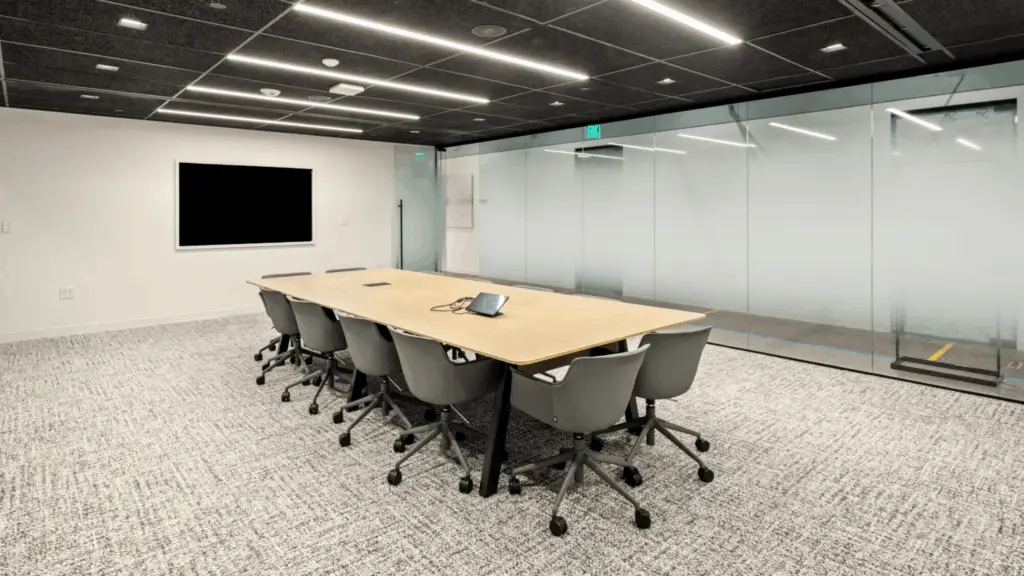
Coworking spaces offer much more than just a desk. Here’s what you can expect:
- High-speed, secure internet (often above 100 Mbps).
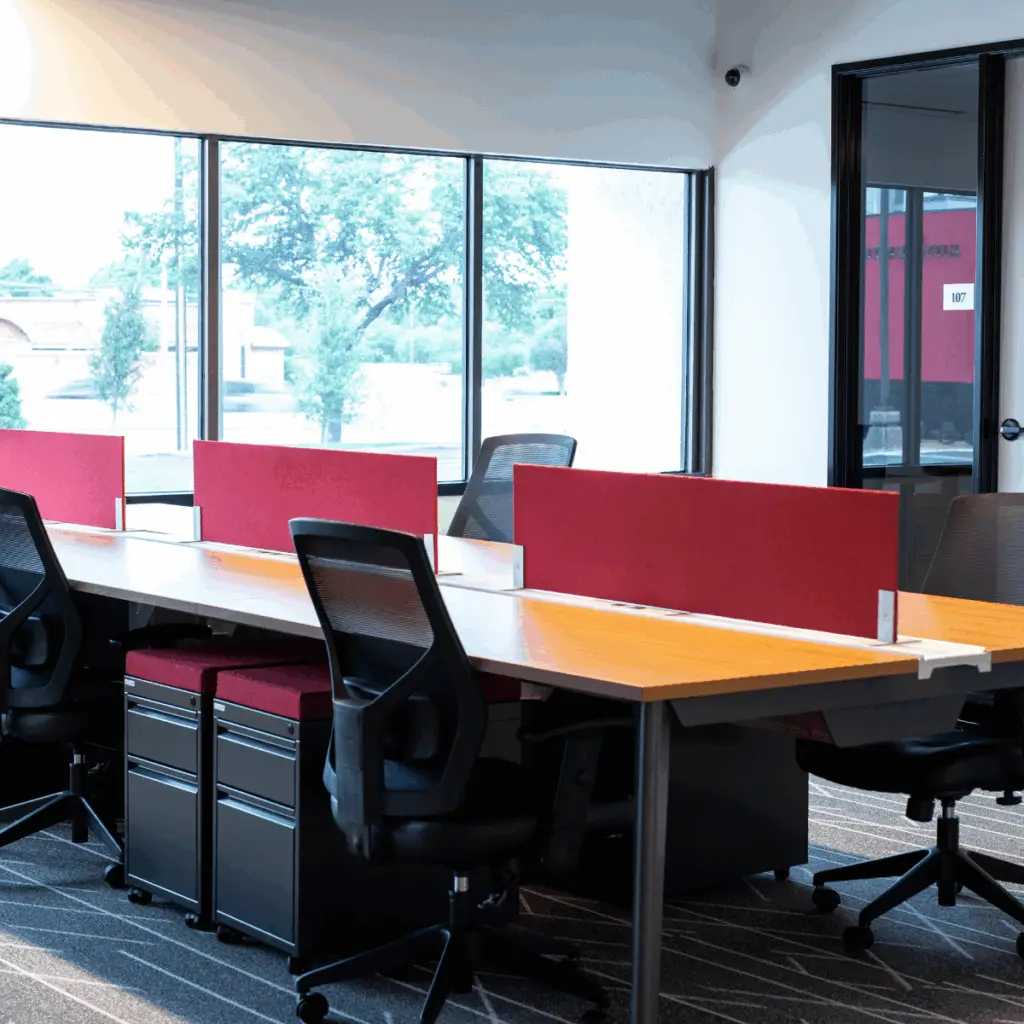
- Reliable workspace with ergonomic desks and chairs.
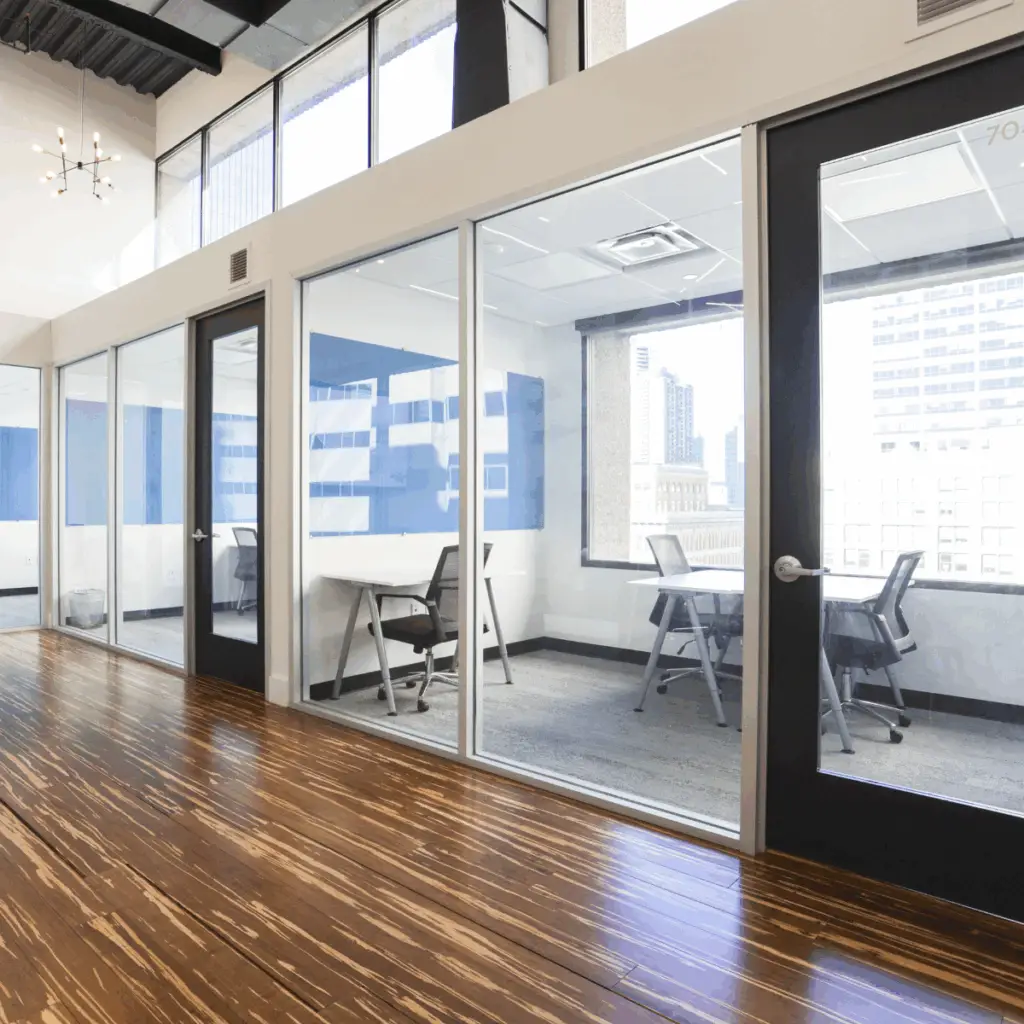
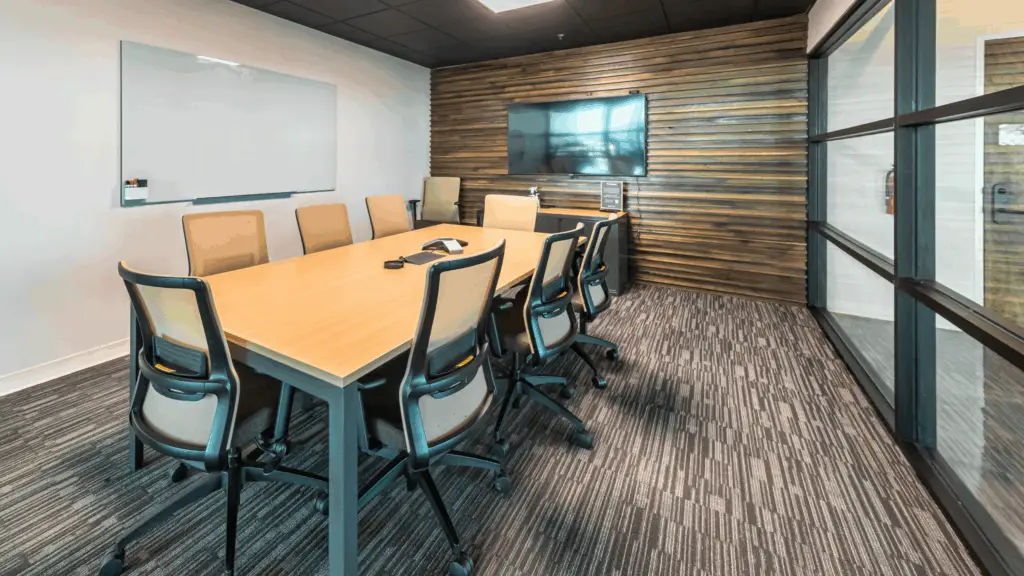
- Phone booths and private meeting rooms.
- Coffee, refreshments, and snacks — sometimes with barista service.
- Printing and office amenities.
- Community areas and social spaces for networking.
- Regular networking events and lunch-and-learns.
- Flexible memberships and day passes to suit your schedule.
That flexible workspace model is growing quickly, with the category projected to expand at a 15.7% CAGR from 2024 to 2030, and this workplace shift is especially appealing to younger demographics.
These benefits create an environment that supports longer, uninterrupted work sessions and fosters new opportunities.
Not Ready for a Membership? Try a Coworking Day Pass
If you’re unsure about committing to a coworking membership, a day pass offers a low-commitment way to try it out. Spend a day working in a coworking space and compare your productivity and experience with your usual coffee shop routine or working from the kitchen table at home. At home, interruptions often happen every 10 to 20 minutes, so a test day can show whether coworking better supports your job. Many coworking spaces also offer flexible plans to adapt as your needs evolve.
Find a Strive Workspaces location and try coworking for the day
So, Is Coworking Worth It for Most People and Remote Workers?
If you only need somewhere to work for an hour occasionally, sticking with the coffee shop makes sense. However, if you’re working remotely regularly, taking calls, meeting clients, or simply want a reliable environment designed for productivity, coworking spaces start to make much more sense.
Your coffee shop doesn’t have to disappear. It just doesn’t have to be your office.