Choosing the right coworking space is essential for fostering productivity, collaboration, and growth. For businesses and remote workers along Colorado’s Front Range, Boulder and Denver offer two vibrant coworking markets—each with unique advantages. Understanding the differences between Boulder vs. Denver coworking can help your team find the ideal environment.
Coworking Space Location and Accessibility
Boulder: Known for its scenic beauty and outdoor lifestyle, Boulder coworking spaces often emphasize community and wellness. Located near the foothills, these spaces attract startups, tech innovators, and creative professionals who value a balance between work and nature. Accessibility is generally easier for those living in Boulder or nearby suburbs, though it can be less convenient for commuters from farther south.
Denver: As Colorado’s largest city, Denver offers a diverse array of coworking options, and a denver coworking space can suit a wide range of professionals and teams. These options span neighborhoods and include flexible shared workspaces as well as more industry-specific environments. Its central location and extensive public transit options make Denver coworking spaces more accessible for teams commuting from various parts of the metro area. Some are located in areas like Cherry Creek, near Union Station, or in Greenwood Village, giving members access to multiple locations for added convenience. Denver’s urban environment also means coworking spaces often feature modern amenities and proximity to restaurants, entertainment, and business hubs. Operators such as Shift Workspaces have three locations in Denver, allowing people work across sites in the same day. This also means a workspace may be set in a distinctive building, with formats shaped by industrial lofts or art-filled studios.
Community and Networking Opportunities
Boulder: Coworking in Boulder tends to foster a tight-knit community feel. Spaces often host wellness events, workshops, and networking gatherings tailored to startups and entrepreneurs. The city’s reputation as a tech and innovation hub means you’ll find many like-minded professionals eager to collaborate in a supportive community where entrepreneurs can thrive.
Denver: Denver coworking communities are larger and more diverse, reflecting the city’s size and industry variety, and Denver’s coworking culture fosters innovation, collaboration, and networking on a broader scale than Boulder. Spaces here often cater to remote workers, freelancers, creative startups, other professionals, and some larger companies. This diversity can create a friendly environment with broader networking opportunities, more creativity, and greater creative density, but may feel less intimate compared to Boulder. Some Denver spaces also serve artists and small businesses. Community events help members connect for business development and professional growth.
Cost and Private Offices Space Options
Boulder: Coworking spaces in Boulder may come at a premium due to the city’s smaller size and high demand for quality work environments. However, many offer flexible memberships, including hot desks, a dedicated desk, and private offices, along with day passes and other membership choices, often with a focus on sustainable design and natural light. Day passes allow access without a long-term commitment and can often be booked online.
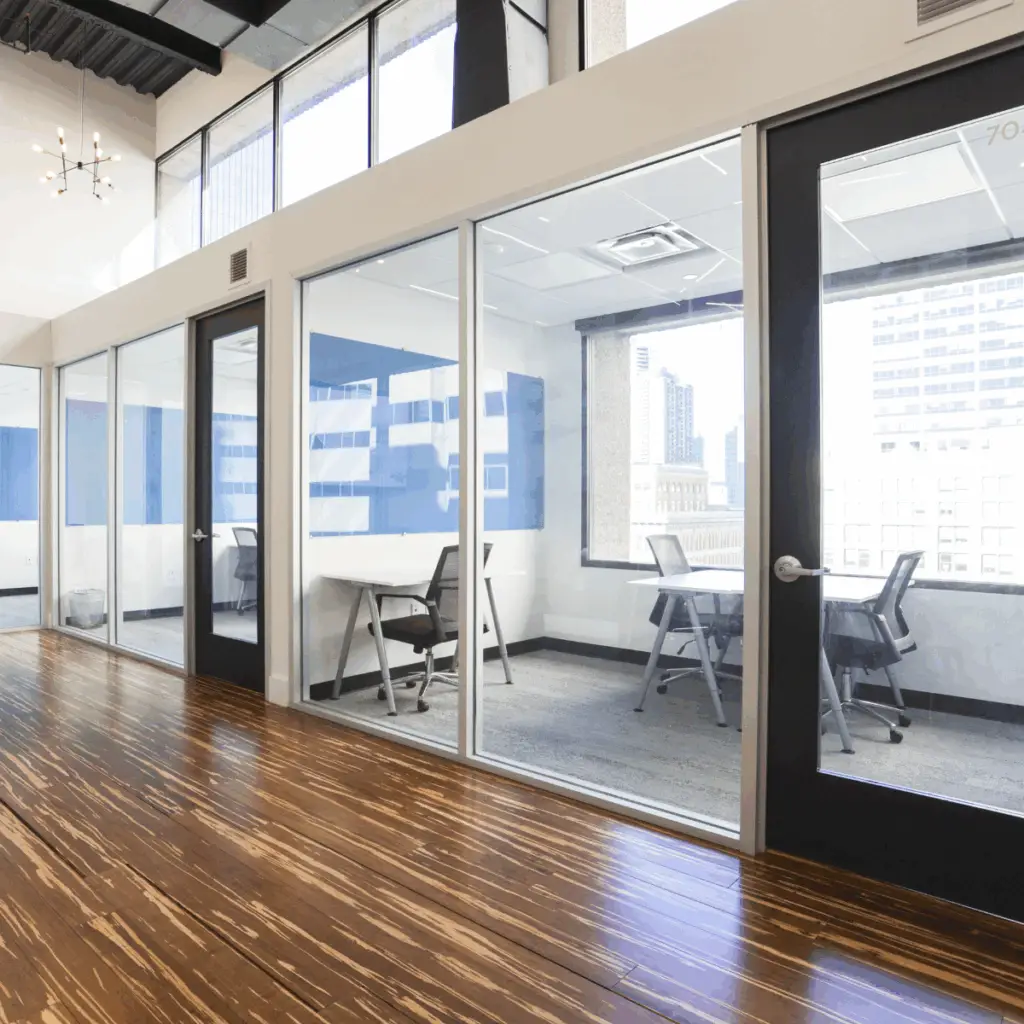
Denver: Denver provides multiple options for office space at various price points, from day passes to longer-term workspace arrangements. Whether you need a budget-friendly hot desk or a dedicated office, Denver’s market can accommodate different budgets and team sizes. Some spaces also offer free trial access for new users, and a pass can cost around $25 for a day or week need depending on the operator. Larger spaces can also support bigger teams or satellite offices, while shared amenities help reduce overhead and let small businesses avoid long commercial leases.
Amenities, Meeting Rooms, and Environment
Boulder: Expect coworking spaces that emphasize natural elements, wellness rooms, outdoor access, and nearby green spaces. Many spaces encourage work-life balance with yoga classes, bike storage, and healthy snack options.
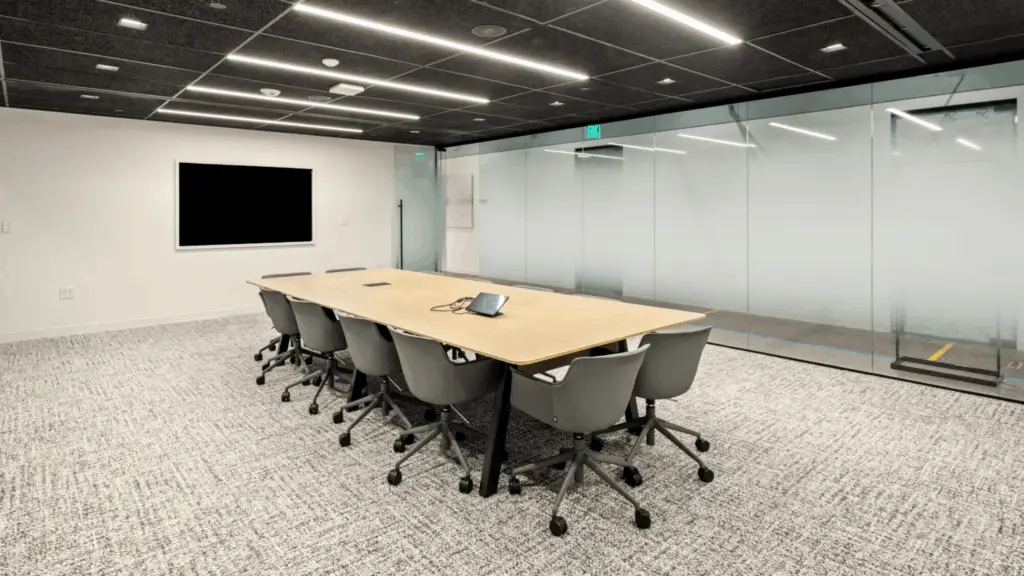
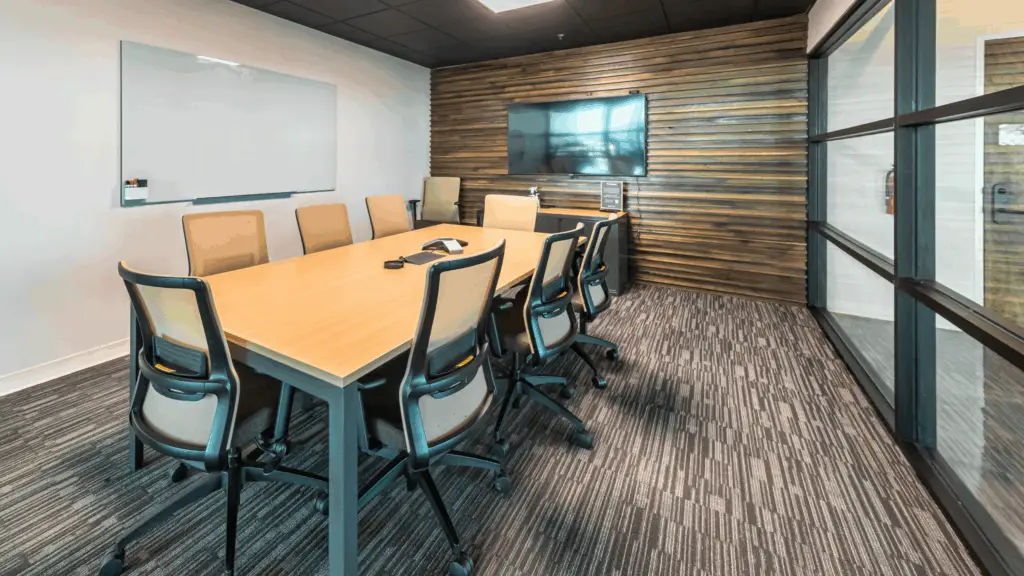
Denver: Denver coworking spaces often feature cutting-edge technology, flexible meeting rooms for team collaboration, a reservable conference room for client presentations, event spaces, training rooms for workshops, phone booths for private calls, and onsite cafes with coffee. Most spaces also provide high speed internet, and together these amenities support a more professional environment that can improve productivity. The urban setting supports a fast-paced work environment with easy access to city amenities, and some locations in the Denver Tech Center operate in LEED Gold Certified buildings with covered parking. Some coworking environments also serve niche industries, with Tradecraft Industries catering to construction professionals with practical needs. A day pass gives users a fuller look at amenities, rooms, coffee service, and work areas before committing.
Which City, Such as Greenwood Village, Fits Your Team?
- Choose Boulder coworking if your team values a close community, outdoor lifestyle, and wellness-focused workspace.
- Choose Denver coworking if you need a wider variety of workspace options, easier access beyond downtown, and flexible choices for any group. Denver can be the perfect place for teams that want varied neighborhoods and room to grow.
You can tour a location or try a day pass before you join.
Both Boulder and Denver offer excellent coworking environments along the Front Range. The best choice depends on how different professionals, from remote workers to creative startups, and different team types prioritize location, community, budget, and culture.