Denver’s tech scene isn’t just growing; it’s maturing. The days of signing a massive, multi-year commercial lease simply to prove your startup “has arrived” are officially dead. In 2026, capital efficiency is the ultimate competitive advantage. Founders are realizing that over-committing to rigid square footage is a fast track to burning runway that should be spent on engineering talent and customer acquisition.
Choosing a headquarters is no longer just an administrative task—it’s a strategic financial lever. If you are scaling a tech startup in the Mile High City this year, use this practical checklist to audit your workspace strategy before signing anything.
1. Agility Over Terms: The 12-Month Runaway Rule
Traditional commercial landlords still want you to sign 3-to-5-year leases. For an early-stage or scaling tech startup, a 5-year outlook is pure fiction. Your team size could triple, pivot, or go fully distributed within the next twelve months.
-
The Check: Look for workspace agreements that offer month-to-month flexibility or short-term commitments.
-
The Goal: Keep your real estate liability matched to your current funding round. If you can’t scale your space up (or down) within 30 days, the contract is a trap.
2. Infrastructure: Beyond “Fast” Wi-Fi
If your business relies on AI model training, massive data deployments, or continuous integration/continuous deployment (CI/CD) pipelines, consumer-grade internet won’t cut it. You cannot afford a space where a neighboring company’s video rendering tanks your team’s bandwidth.
-
The Check: Insist on enterprise-grade, symmetrical fiber internet with redundant backup connections. Ask about the building’s cybersecurity protocols and network isolation capabilities for private offices.
-
The Goal: Zero downtime. Your team should never have to think about the network.
3. The Hybrid Gravity: Shared Spaces That Actually Drive Collaboration
Tech talent is notoriously resistant to arbitrary RTO (Return to Office) mandates. If you want your engineers and product managers in the building, the environment has to offer more utility than their home setups.
-
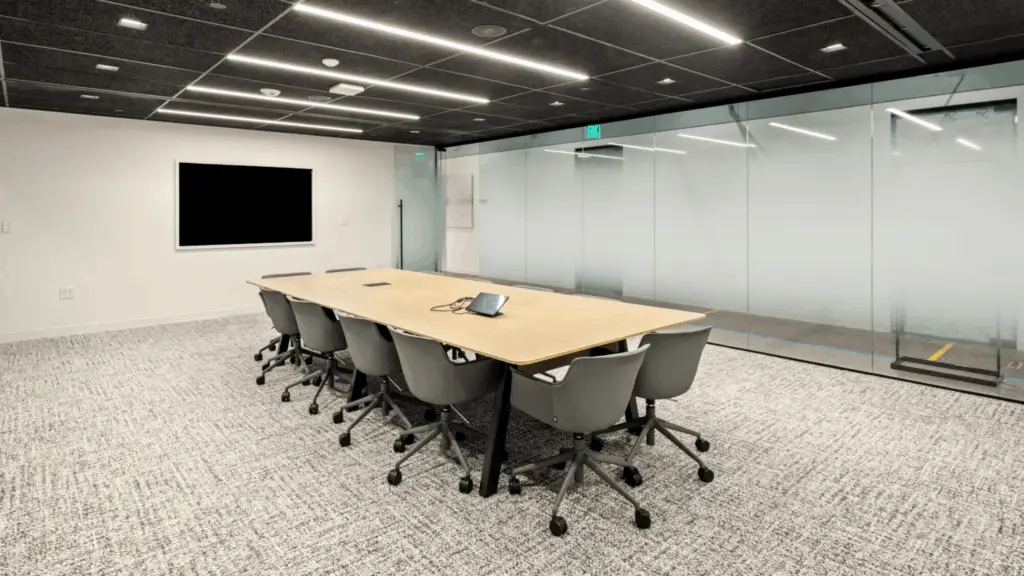
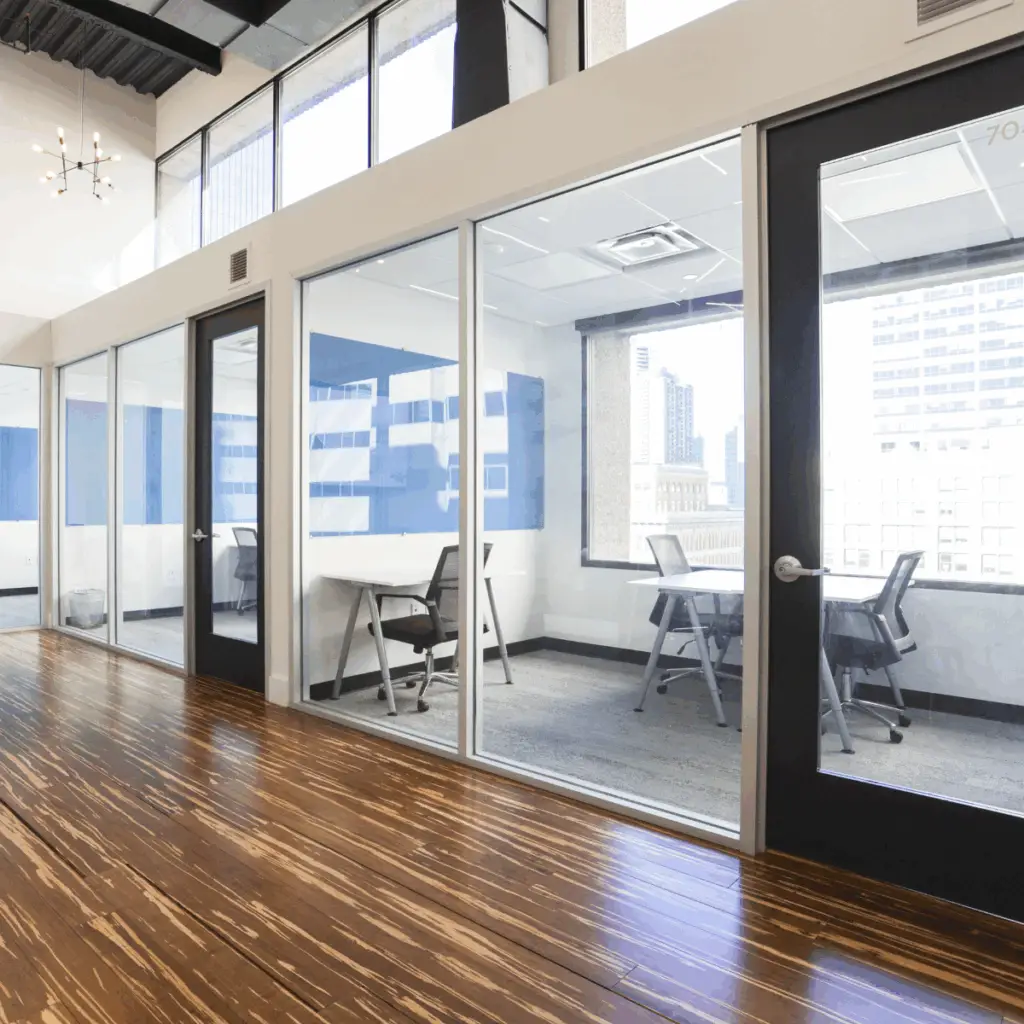
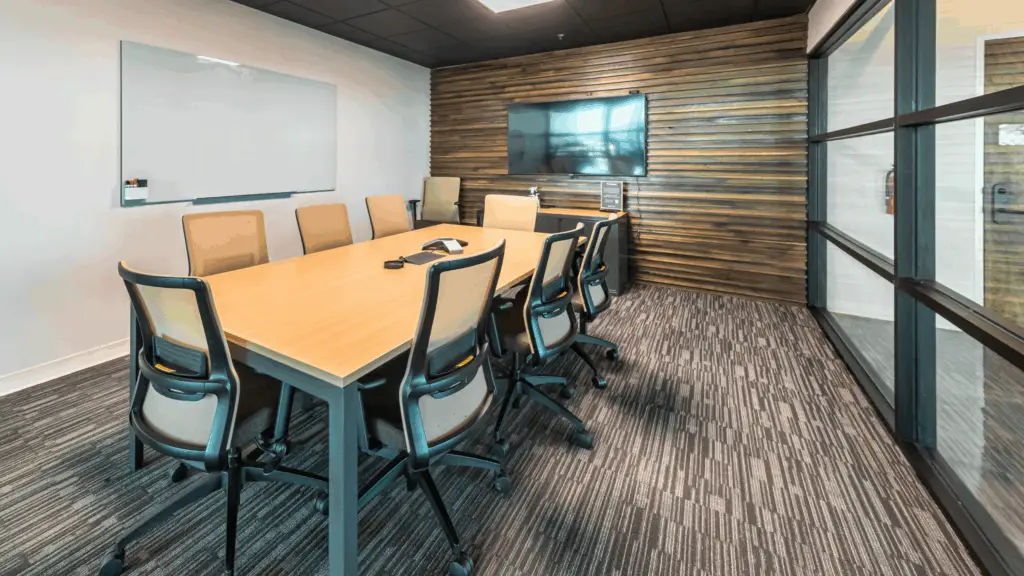
The Check: Ensure the floor plan offers a functional balance: quiet, acoustically insulated phone booths for deep coding work, alongside seamless meeting rooms equipped with modern video conferencing hardware for hybrid sprint planning.
-
The Goal: A workspace that acts as a tool, not an obligation. If the space doesn’t actively enhance productivity, your team will stay home.
4. Operational Overhead: The Hidden Time-Suck
Every hour your leadership team spends dealing with property managers, fixing broken printers, negotiating office cleaning contracts, or setting up guest Wi-Fi is an hour stolen from building product.
-
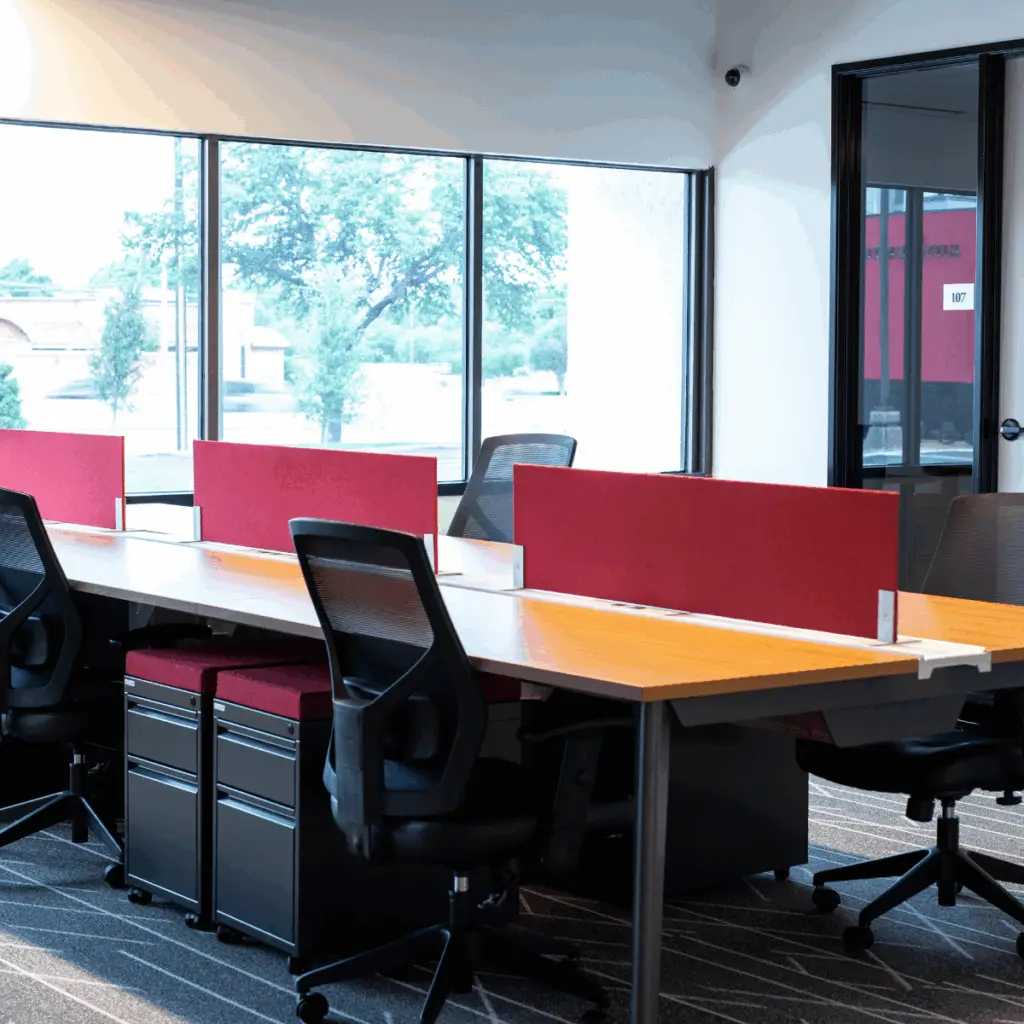
The Check: Choose a fully serviced, turnkey office space where utilities, facilities management, front-desk operations, and basic amenities are completely handled under a single line item.
-
The Goal: Total operational focus. You run the startup; someone else runs the building.
5. Address Capital: Professionalism on Demand
Even if your day-to-day operations are decentralized, your legal and professional footprint cannot be a residential P.O. Box. When dealing with enterprise clients, venture capitalists, or compliance audits, a premium business address matters.
-
The Check: Access to physical boardrooms and a professional corporate presence in a recognized business hub for investor pitches, board meetings, and official mail handling.
-
The Goal: High-impact credibility without the high-overhead cost.
The Strive Advantage
At Strive Workspaces, we design environments specifically tailored to strip away the friction of scaling a business. We provide tech founders with the premium infrastructure, enterprise utility, and radical contractual flexibility required to stay lean and move fast.
Don’t let a rigid lease dictate your startup’s velocity. Build your team, secure your runway, and let us handle the rest.