Growing a team is an exciting milestone, but it also brings a unique set of challenges. As your business expands, hiring increases, collaboration evolves, and your space requirements shift. Finding the right office solution that supports this growth without causing disruption or financial strain is crucial. Today, businesses can choose from a variety of coworking options and coworking office spaces, in addition to traditional offices, to best suit their needs.
Flexible office space offers a strategic and adaptable approach to accommodate your expanding team. Modern professionals are increasingly seeking flexible work environments with modern design to support their evolving needs. It allows you to scale your workspace efficiently while maintaining control over costs and operations.
Growth Changes Everything
When a team grows rapidly, everything changes—from workflows and communication styles to space needs. The uncertainty around how many employees you’ll have in the next 6 to 12 months can make planning office space difficult.
Flexible workspace solutions are specifically designed to adapt to the evolving needs of growing teams.
The Challenge of Unpredictable Headcount
Hiring plans can fluctuate due to market conditions, funding rounds, or project demands. Flexible working arrangements, supported by modern office solutions, can help businesses better manage unpredictable headcount. This unpredictability creates risk when committing to fixed, long-term office leases that don’t match your evolving needs.
The Risk of Long-Term Leases Too Early
Locking into a traditional lease too soon can leave your business paying for unused space or scrambling to find more room, both of which can hamper growth and cash flow.
What Is Flexible Office Space?
Flexible office space is a membership-based workspace model that offers adaptable lease terms and a variety of office configurations designed to fit different team sizes and work styles.
Membership-Based Access and Adaptability
Unlike traditional leases, flexible office spaces allow companies to rent private offices, dedicated desks, or shared coworking areas on monthly or quarterly terms, offering unmatched agility.
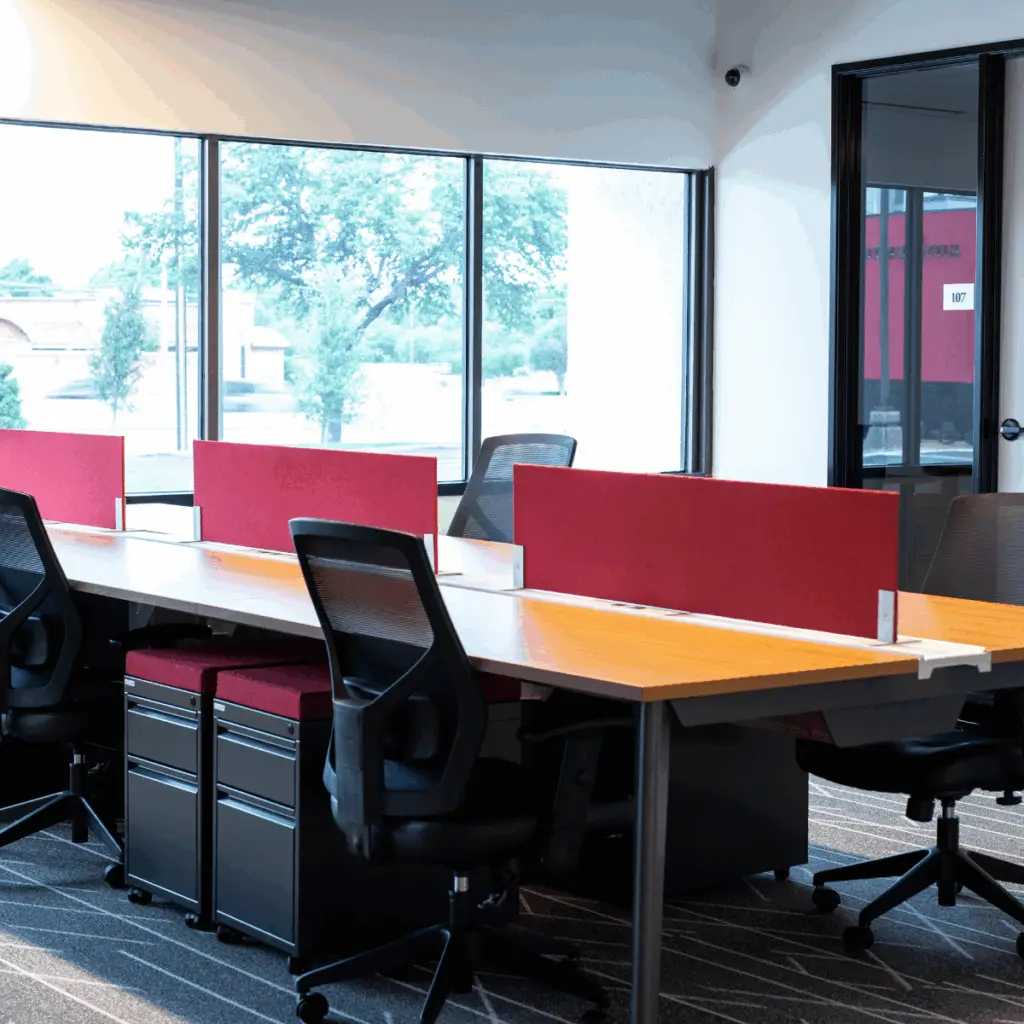
Coworking spaces often provide hot desks and shared technology, such as printers and Wi-Fi, to support members’ needs.
Options to Fit Your Team’s Needs
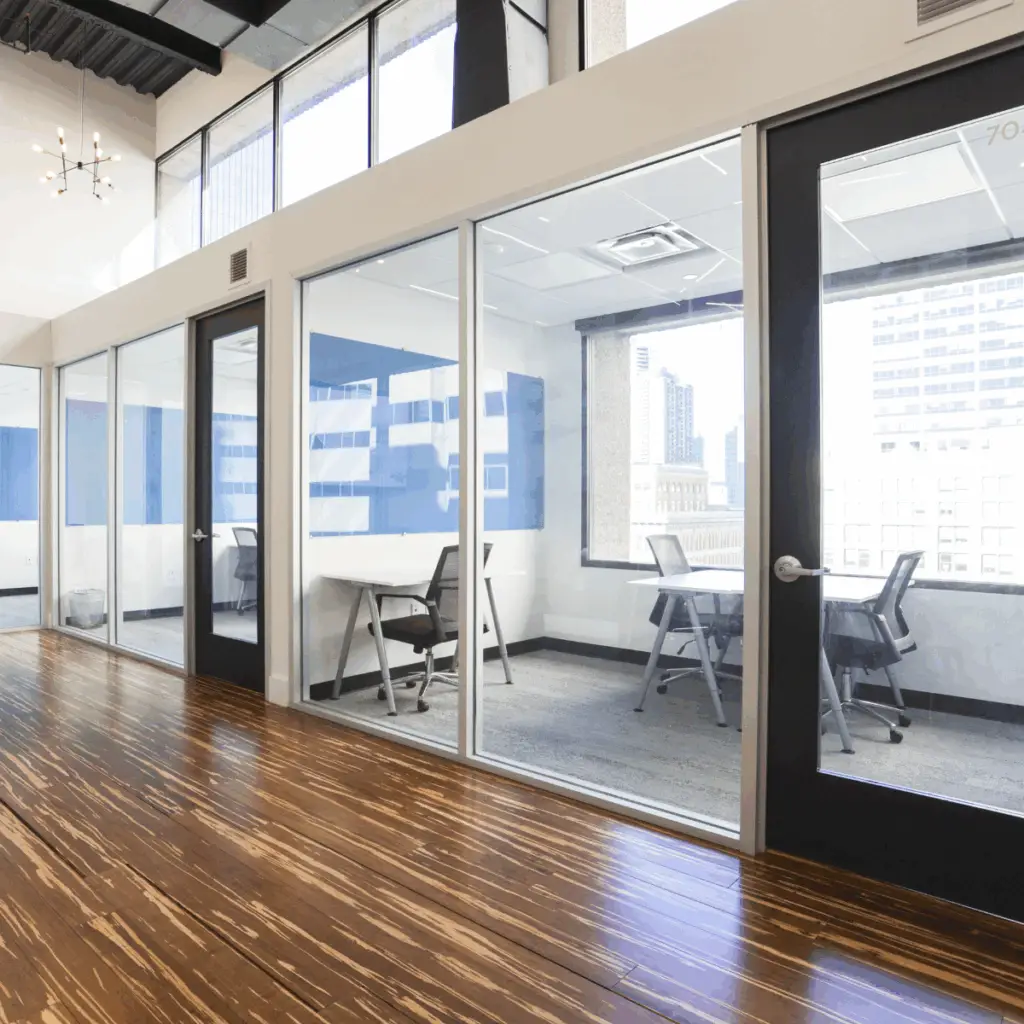
Whether you need a private headquarters for concentrated work, traditional office spaces serve as a private office for your company, giving your team their own space and a private space for focused work and confidential discussions. Alternatively, if you prefer a collaborative environment with shared resources, flexible office spaces provide a range of options tailored to your business.
Scalability Without Disruption
Flexible office space enables growing teams to expand seamlessly. You can add more desks or move into larger offices within the same building without the downtime or operational interruptions of relocating.
Growing Within the Same Space
This “grow in place” capability keeps your team together and helps maintain continuity, which is especially important during periods of rapid change.
Avoiding Long-Term Lease Risk
Traditional leases come with fixed obligations, often spanning several years. This rigidity can be a financial burden if your growth trajectory changes unexpectedly.
Financial Flexibility and Reduced Risk
Flexible office arrangements reduce this risk by offering short-term agreements and scalable options, so you only pay for the space you need when you need it.
Cost Control for Expanding Teams
Managing office expenses is critical during growth phases. Traditional offices often come with numerous hidden costs beyond rent.
Breaking Down Traditional Office Expenses
Expenses such as utilities, furniture, maintenance, cleaning, and office management add up quickly and can strain budgets.
Bundled Pricing Benefits of Flexible Offices
Flexible office spaces typically include these costs in a single, predictable monthly membership fee, simplifying budgeting and reducing unexpected expenses.
Productivity During Growth Phases
Growth can introduce distractions and operational chaos as teams adjust to new processes and environments.
Maintaining Focus in Professional Environments
Flexible office spaces are designed to support productivity with quiet zones, collaborative areas, and professional amenities. To learn more about creating a productive workspace, check out how to maximize productivity in a coworking space.
Built-In Professional Infrastructure
Flexible offices come equipped with essential infrastructure such as conference rooms, high-speed Wi-Fi, mail handling, and reception services.
Leadership Focused on Growth, Not Office Management
With these services included, leadership can concentrate on hiring, scaling, and business development rather than day-to-day office operations.
Creating a Strong Team Culture
The workspace environment plays a significant role in employee morale and team cohesion. Establishing a unique culture and considering company culture are important factors when deciding between coworking spaces and traditional offices.
Privacy and Collaboration Zones
Flexible office spaces offer a balance of private offices for focused work and communal areas that foster collaboration and community building.
Supporting Hybrid and Remote Teams
Many growing teams operate with hybrid or remote work models, meaning not all employees are in the office every day. Coworking spaces are ideal for remote workers, as they allow individuals to work among other professionals from different industries, fostering collaboration and networking opportunities.
Accommodating Fluctuating Attendance
Flexible office spaces provide scalable workspace solutions that adjust to varying daily attendance without wasting resources.
Networking and Community Opportunities
One of the standout advantages of coworking spaces is the wealth of networking opportunities they provide. Unlike traditional office space, where professionals often interact only with colleagues from their own company, coworking spaces bring together individuals from different industries under one roof. This diverse environment fosters a collaborative atmosphere where sharing ideas, resources, and opportunities becomes second nature.
Many coworking spaces actively promote community building by hosting events, workshops, and networking sessions. These gatherings create a dynamic environment where professionals can connect, learn from each other, and even form valuable business partnerships. The sense of community in coworking spaces is often a key driver for innovation and professional growth.
While traditional offices may offer privacy and a familiar environment, they can sometimes lack the vibrancy and networking opportunities found in coworking spaces. However, recognizing the value of community, some traditional office spaces are now incorporating shared meeting rooms and organizing social events to encourage interaction among professionals.
Ultimately, the choice between coworking and traditional office space depends on how important networking and community building are to your business. If your team thrives in a collaborative environment and values connections with professionals from various businesses and industries, coworking spaces offer a unique advantage.
Meeting and Conference Facilities for Teams
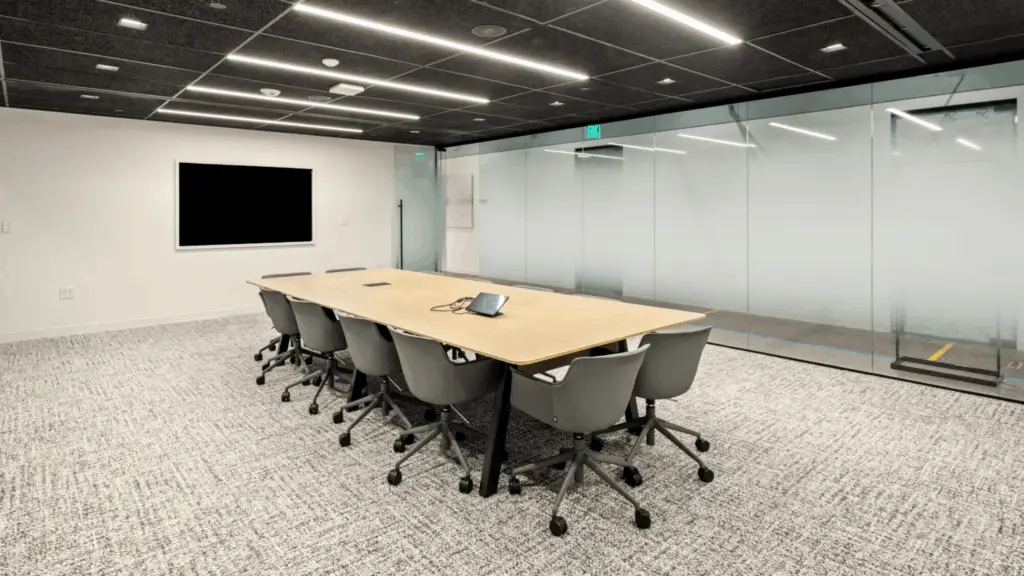
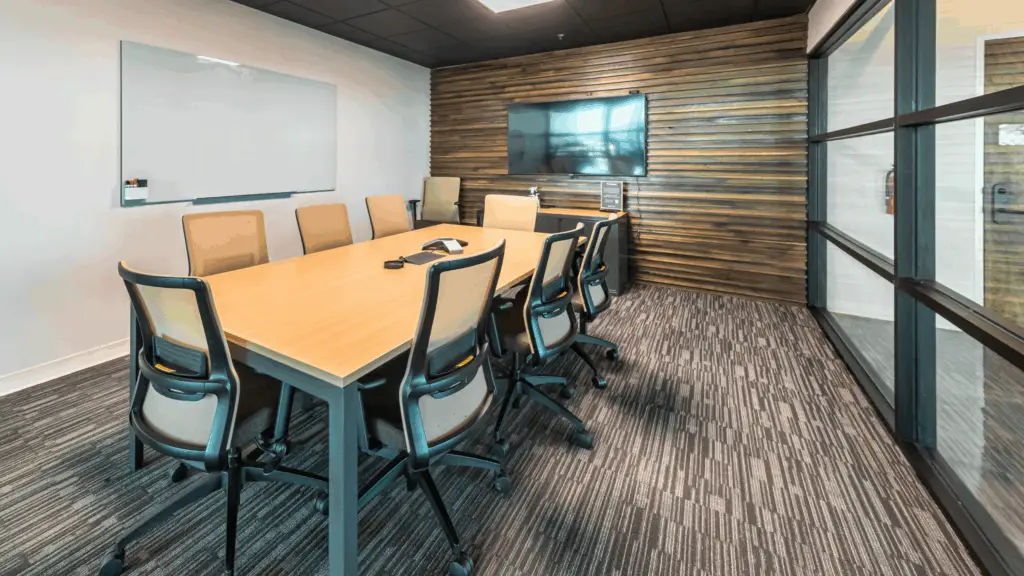
When it comes to hosting meetings and conferences, both coworking spaces and traditional office spaces offer solutions, but their approaches differ significantly. Coworking spaces typically provide shared meeting rooms and conference facilities that members can book as needed. This setup is especially cost effective for businesses that require occasional access to professional meeting environments without the burden of long term commitment or high upfront costs.
Traditional office spaces, on the other hand, often feature designated conference rooms that are exclusive to the company. This arrangement gives businesses complete control over their meeting environment and ensures privacy for sensitive discussions. However, securing a traditional office with adequate meeting facilities usually involves a long-term lease and significant upfront investment in space, furniture, and technology.
For many businesses, coworking spaces offer a flexible alternative, allowing teams to access well-equipped meeting rooms and conference spaces as part of their membership fee. This flexibility is ideal for growing teams that need to scale their use of meeting facilities up or down without being tied to a fixed space or incurring unnecessary costs.
When deciding between coworking and traditional office space, consider how often your team needs access to meeting rooms, the level of privacy required, and whether a flexible or permanent solution best fits your business needs.
Coworking vs Traditional Office Space
The choice between coworking spaces and traditional office space is a pivotal business decision, especially as the business world continues to evolve. Coworking spaces tend to offer unmatched flexibility, with month-to-month membership plans, access to a variety of amenities like meeting rooms, high-speed Wi-Fi, and comfortable furniture—all designed to streamline operations and reduce miscellaneous expenses.
Traditional offices, by contrast, provide a private headquarters where companies have complete control over their work environment and brand identity. This sense of permanence can be reassuring for businesses that prioritize stability and privacy. However, traditional office space often comes with long term leases, significant upfront costs, and ongoing expenses for utilities, office management, and furniture, which can be challenging for small businesses or startups.
Coworking spaces offer a cost effective solution for many businesses, providing a professional environment and shared resources without the need for a long term commitment. The collaborative environment and networking opportunities found in coworking spaces can also be a catalyst for growth and innovation.
Ultimately, the decision between coworking and traditional office space depends on many factors, including your company’s size, growth stage, and the importance of flexibility versus control. By carefully weighing the pros and cons of each option, businesses can find the perfect solution to support their unique needs and thrive in today’s fast-paced business world.
Faster Transitions, Less Downtime
Moving into a traditional office often requires costly build-outs and lengthy preparation periods.
Move-In Ready Spaces Save Time
Flexible office spaces are typically fully furnished and ready for immediate occupancy, minimizing downtime. For tips on preparing your team, see what to know before moving into a coworking space.
When Flexible Office Space Makes the Most Sense
Flexible office space is particularly beneficial for early-stage companies experiencing rapid growth, project-based teams, or expanding departments within larger organizations.
Ideal for Startups and Small Businesses
Small businesses and startups benefit from the ability to scale workspace without long-term commitments or excessive upfront costs.
Questions Growing Teams Should Ask
How predictable is our headcount over the next 12 months?
Do we need the flexibility to scale our workspace up or down quickly?
What level of privacy and collaboration does our team require? Privacy is a significant factor, especially for businesses that handle sensitive information.
Making the Business Decision
Answering these questions helps you decide whether flexible office space aligns with your company’s growth strategy and culture. The decision between coworking and traditional office space should align with your business’s operational requirements and employee preferences. Additionally, your future growth plans should influence your decision.
A Workspace That Grows With You
In today’s dynamic business environment, adaptability is a major competitive advantage. Flexible office space empowers growing teams to scale efficiently, control costs, and maintain productivity without sacrificing professionalism.
Take the Next Step
Ready to experience the benefits of flexible office space for your growing team? There are many coworking options available, giving you the flexibility to choose the best fit for your needs.
Schedule a tour or explore flexible office options at Strive to find the perfect workspace that grows with you. Discover the many benefits of coworking office spaces, including amenities, flexibility, and support services.